Austin Wildlife, Nature Trails, and Science Stops
You’ll discover Austin’s wildlife thriving in unexpected urban spaces—from the Mexican free-tailed bats under Congress Avenue Bridge to endangered birds in protected preserves and salamanders in spring-fed waters like Barton Springs. Watch for coyotes along greenbelt corridors, explore birding hotspots across the Hill Country, or visit family-friendly science centers that bring conservation to life. Early morning and dusk offer the best chances to encounter deer, owls, and other native species throughout the region.
Where Can You Spot Coyotes, Deer, and Other Common Austin Wildlife?
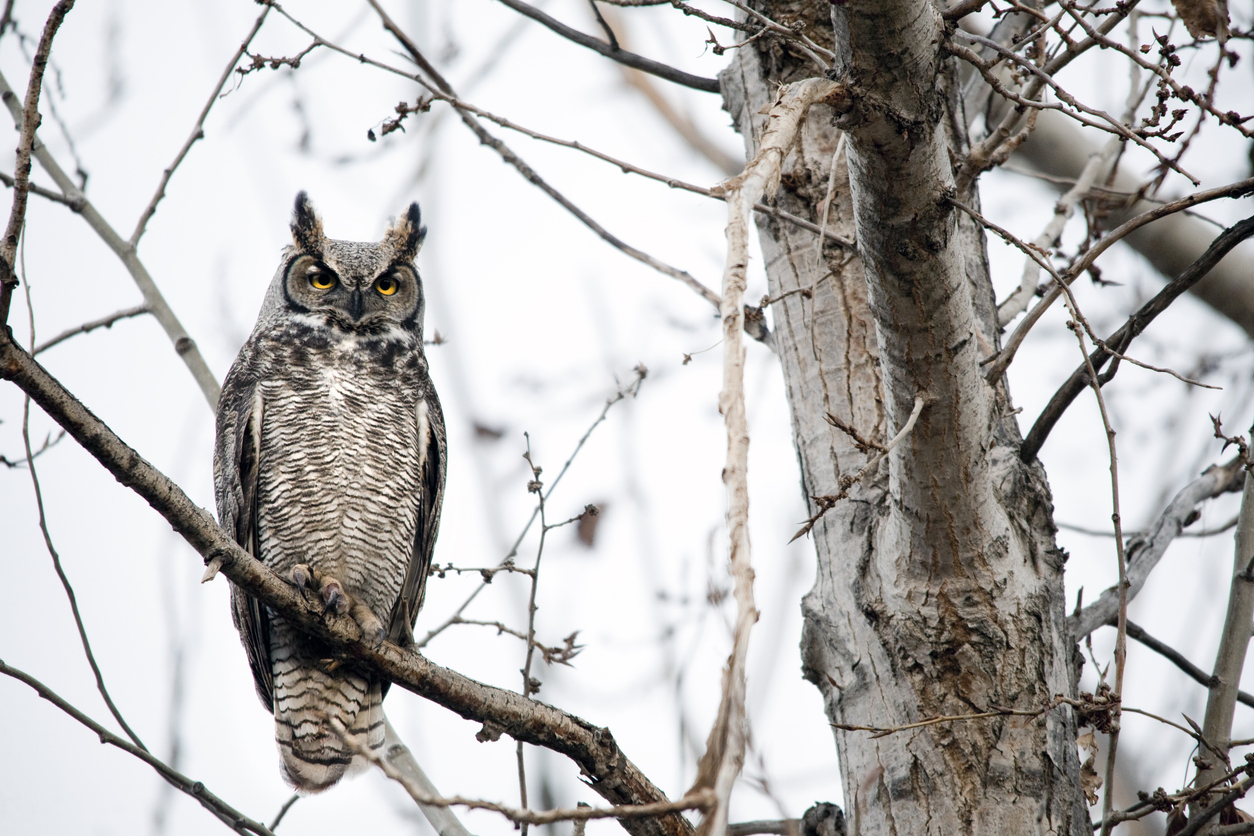
While Austin is known for music and tech, it also supports a surprising variety of wildlife that has adapted to urban environments. You’ll often see white-tailed deer grazing near neighborhoods bordering natural areas, especially in West Austin and near preserves. Coyotes are commonly spotted along greenbelt corridors and undeveloped edges of the city, particularly at dawn and dusk. Gray foxes also inhabit the region but are rarely seen due to their nocturnal behavior. Birdlife is abundant, with species like Great Horned Owls, Barred Owls, and Red-tailed Hawks frequently observed across parks and wooded areas. Smaller mammals such as raccoons and squirrels thrive in residential zones. Austin’s most famous wildlife attraction is the Congress Avenue Bridge bat colony, where up to 1.5 million bats emerge on summer evenings. In more rural or undeveloped areas, feral hogs may be present, though encounters are uncommon in central Austin.
Recommended Nature Trails in Austin: Distance, Difficulty, and Best Times
Austin offers a variety of trails where you can experience wildlife and natural landscapes up close.
View this post on Instagram
Barton Creek Greenbelt (Central Austin)
- Distance: Up to 12+ miles (multiple access points)
- Difficulty: Easy to moderate
- Best time: Early morning or after rainfall for flowing water This popular trail features limestone cliffs, shaded paths, and opportunities to spot birds, deer, and reptiles.
Turkey Creek Trail (Emma Long Metropolitan Park)
- Distance: 2.5-mile loop
- Difficulty: Moderate
- Best time: Morning or late afternoon A scenic, off-leash trail with creek crossings and wooded terrain, ideal for spotting deer and small mammals.
Walnut Creek Metropolitan Park (North Austin)
- Distance: 15+ miles of trails
- Difficulty: Easy to moderate
- Best time: Year-round, mornings preferred Offers paved and natural trails with frequent sightings of birds, squirrels, and occasional foxes.
River Place Nature Trail (West Austin)
- Distance: 5.5 miles round trip
- Difficulty: Challenging (steep elevation and stairs)
- Best time: Fall through spring Known for its stair climbs and Hill Country views, with chances to see birds of prey and native wildlife.
Which Endangered Species Still Live in Austin's Parks and Preserves?
View this post on Instagram
Austin’s protected lands support several federally listed endangered species, particularly in areas with limestone terrain tied to the Edwards Aquifer. The Golden-cheeked Warbler nests exclusively in Central Texas woodlands and can be found in protected areas such as the Balcones Canyonlands Preserve and nearby conservation lands. Several salamander species—including the Barton Springs Salamander and Austin Blind Salamander—depend on clean, spring-fed waters. These species are closely monitored and protected due to their limited habitat. The Balcones Canyonlands Conservation Plan (BCCP) helps manage thousands of acres across Travis County, preserving habitat for endangered species and supporting long-term conservation efforts.
Why Austin's Congress Avenue Bridge Has the World's Largest Urban Bat Colony
View this post on Instagram
Each summer evening, Austin hosts one of its most iconic wildlife events beneath the Congress Avenue Bridge. When the bridge was renovated in 1980, small crevices created ideal roosting conditions for Mexican free-tailed bats. Over time, the colony grew to an estimated 1 to 1.5 million bats, making it one of the largest urban bat colonies in the world. From March through October, visitors gather at sunset to watch the bats emerge in large groups as they head out to feed on insects. This nightly event has become a major attraction and an important example of urban wildlife conservation.
Best Austin Parks for Watching Migrating Warblers and Hummingbirds
View this post on Instagram
Austin sits along the Central Flyway, making it an excellent destination for birdwatching—especially during spring migration. Top locations include:
- Commons Ford Ranch Metropolitan Park – diverse habitats and strong bird variety
- Mills Pond (Wells Branch area) – accessible trails and bird blinds
- Balcones Canyonlands National Wildlife Refuge (northwest of Austin) – prime habitat for warblers and vireos
- Milton Reimers Ranch Park – Hill Country species and scenic terrain
Spring (April–May) and fall (September–October) migrations bring increased bird activity, including warblers, hummingbirds, and raptors.
Seasonal Wildlife Viewing Guide in Austin
Wildlife activity in Austin changes throughout the year, making timing an important factor for viewing. Spring (March–May):
- Peak bird migration along the Central Flyway
- Increased activity in parks and preserves
- Wildflowers and pollinators become more visible
Summer (June–August):
- Bat season peaks at Congress Avenue Bridge
- Early morning and evening are best for wildlife due to heat
- Aquatic life is more active in lakes and creeks
Fall (September–November):
- Second wave of bird migration
- Deer activity increases during breeding season (October–December)
- Cooler temperatures improve hiking conditions
Winter (December–February):
- Fewer crowds and easier wildlife spotting in open areas
- Waterfowl and overwintering bird species are more common
Planning around these seasonal patterns helps maximize wildlife encounters.
Where Kids Can Meet Salamanders and Learn Wildlife Conservation
View this post on Instagram
Families can explore Austin’s unique ecosystems through interactive and educational experiences. At Barton Springs Pool, the endangered Barton Springs Salamander lives in the spring-fed waters, though it is rarely visible to the public due to its protected status. The Austin Nature & Science Center offers hands-on learning opportunities, including exhibits focused on local wildlife, geology, and conservation. Children can explore natural habitats and learn about species protection in an engaging environment. These experiences highlight how conservation efforts protect both wildlife and the Edwards Aquifer, a critical water source for the region.
Science Stops and Visitor Centers Along Austin Nature Routes
Austin’s outdoor destinations are often paired with nearby science-focused visitor centers that enhance your understanding of local ecosystems.
- Austin Nature & Science Center (Zilker Park): Hands-on exhibits, wildlife displays, and educational programs
- Balcones Canyonlands National Wildlife Refuge Visitor Areas (near Lago Vista): Informational signage and guided nature experiences
- Lady Bird Johnson Wildflower Center (Southwest Austin): Native plant exhibits and conservation education
These locations provide context about local wildlife, geology, and conservation efforts, making them valuable additions to any outdoor itinerary.
How Austin's Growth Pushes Wildlife into Your Neighborhood
Austin’s rapid growth has expanded development into previously natural areas, increasing interactions between people and wildlife. Animals such as deer, coyotes, raccoons, and snakes are adapting to urban and suburban environments. Rather than invading, these species are adjusting to shrinking habitats and new food sources. You may encounter:
- Coyotes in greenbelts and quiet neighborhoods
- Deer near residential areas bordering open land
- Raccoons around trash bins and outdoor spaces
- Snakes seeking shelter in shaded or undisturbed areas
Understanding these patterns helps residents and visitors coexist responsibly with local wildlife while supporting conservation efforts.
Seasonal Wildlife Viewing Guide in Austin
Wildlife activity in Austin changes throughout the year, making timing an important factor for viewing. Spring (March–May):
- Peak bird migration along the Central Flyway
- Increased activity in parks and preserves
- Wildflowers and pollinators become more visible
Summer (June–August):
- Bat season peaks at Congress Avenue Bridge
- Early morning and evening are best for wildlife due to heat
- Aquatic life is more active in lakes and creeks
Fall (September–November):
- Second wave of bird migration
- Deer activity increases during breeding season (October–December)
- Cooler temperatures improve hiking conditions
Winter (December–February):
- Fewer crowds and easier wildlife spotting in open areas
- Waterfowl and overwintering bird species are more common
Planning around these seasonal patterns helps maximize wildlife encounters.