Outdoor Wildlife and Nature Experiences in Texas
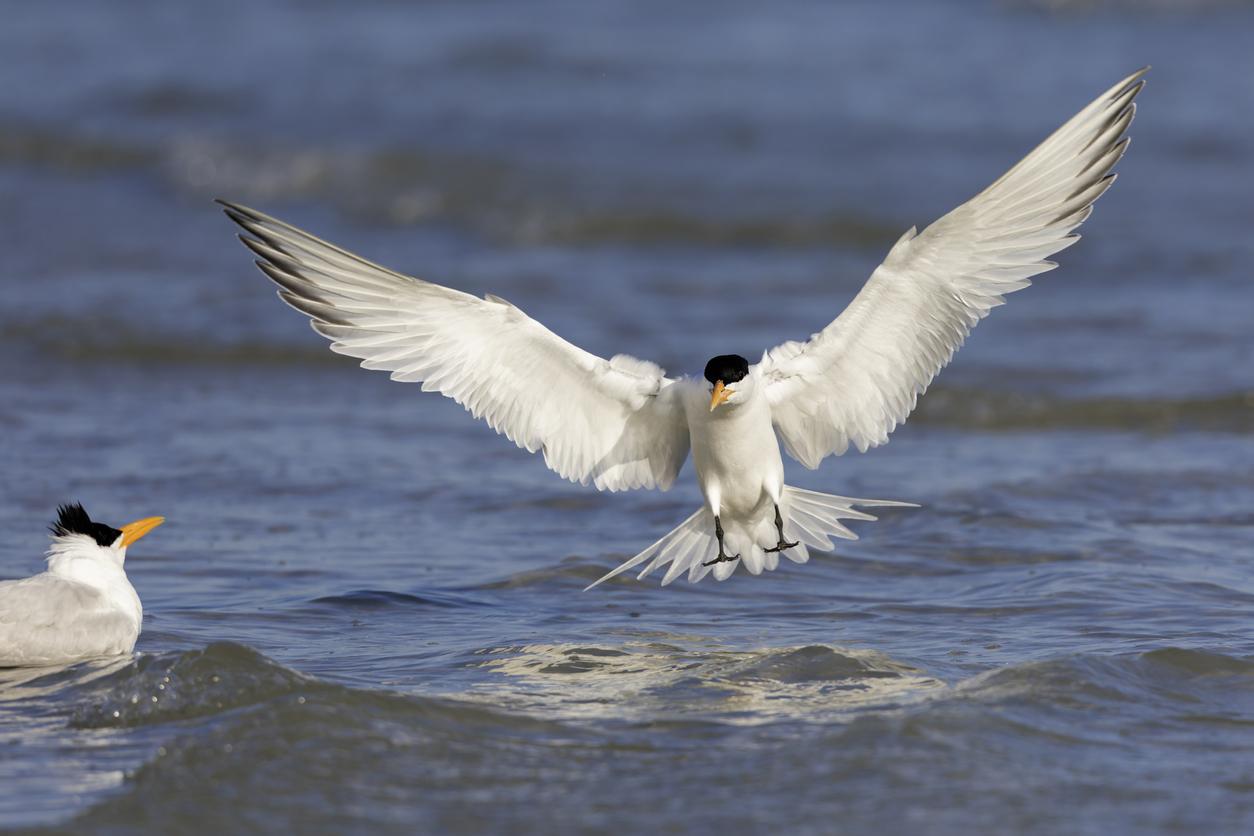
You'll discover Texas offers some of North America’s most diverse wildlife encounters, from endangered whooping cranes wading through coastal marshes to golden-cheeked warblers singing in Hill Country canyons. The state features hundreds of birding locations along the Great Texas Coastal Birding Trail, where more than 450 bird species have been documented. Refuges like Laguna Atascosa National Wildlife Refuge alone have recorded over 400 species, making Texas one of the premier wildlife destinations in the United States. Whether you're visiting during spring migration or winter waterfowl season, choosing the right location and timing will significantly improve your wildlife viewing experience.
Best Wildlife Refuges for Birding in Texas
View this post on Instagram
Texas is home to some of the country’s most important birding refuges, many located along the Central Flyway, a major migration route. Aransas National Wildlife Refuge is best known for wintering whooping cranes, one of the most endangered bird species in North America. Laguna Atascosa National Wildlife Refuge in the Rio Grande Valley supports exceptional biodiversity, including green jays, aplomado falcons, and a wide range of waterfowl species. Santa Ana National Wildlife Refuge is another top destination in South Texas, offering dense riparian habitat that attracts tropical bird species rarely seen elsewhere in the U.S. In the Panhandle, Muleshoe National Wildlife Refuge hosts large winter populations of sandhill cranes, creating one of the most dramatic wildlife spectacles in the region. These refuges provide year-round opportunities for birdwatching, with each season offering different species and migration patterns.
Regional Wildlife Experiences Across Texas
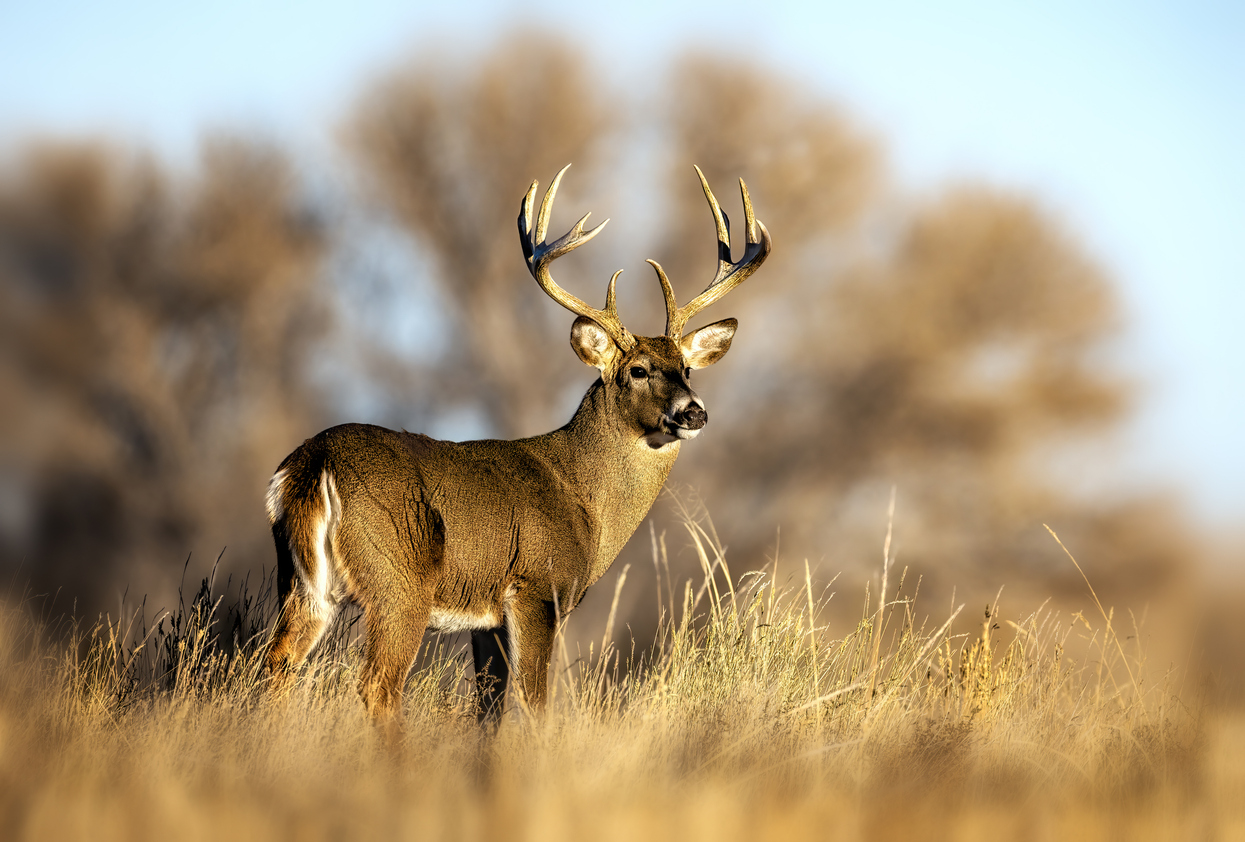
Texas’s size and geography create distinct wildlife viewing regions, each offering unique ecosystems and species. Gulf Coast (Houston to South Padre Island) This region is one of North America’s top birding corridors, especially during migration. Expect coastal marshes, estuaries, and barrier islands filled with shorebirds, waterfowl, and wading birds. Hill Country (Austin, San Antonio, Fredericksburg) Known for limestone canyons and spring-fed rivers, the Hill Country is ideal for spotting golden-cheeked warblers, black-capped vireos, and white-tailed deer. West Texas (Big Bend and Davis Mountains) This remote region offers desert wildlife, dark-sky stargazing, and unique species adapted to arid climates, including javelinas and roadrunners. Understanding these regions helps you plan a more focused and rewarding wildlife experience.
Rare and Endangered Birds: Where to See Them
Texas plays a critical role in protecting several rare and endangered bird species. The golden-cheeked warbler, found only in Central Texas, nests in oak-juniper woodlands throughout the Hill Country. The Attwater’s prairie-chicken, one of the most endangered birds in North America, survives in protected coastal prairie habitats near Eagle Lake and the Texas coast, including the Attwater Prairie Chicken National Wildlife Refuge. In South Texas, birders can spot tropical species such as green jays and great kiskadees, especially in protected areas like Santa Ana and Bentsen-Rio Grande Valley State Park. In East Texas, red-cockaded woodpeckers inhabit longleaf pine ecosystems, highlighting the importance of forest conservation. These species depend on carefully protected habitats, making wildlife viewing in Texas both rewarding and meaningful.
When to Visit for Peak Migration and Waterfowl
Timing is one of the most important factors for successful wildlife viewing in Texas. Fall migration (September–November) brings large numbers of waterfowl, especially after cold fronts push birds south. Spring migration (March–May) offers peak diversity, particularly along the Gulf Coast and in East Texas forests. Late April is often considered one of the best periods for songbird activity. Winter is ideal for viewing ducks, geese, and cranes, while summer highlights breeding species and resident wildlife. To maximize your experience:
- Watch for cold fronts that trigger migration movement
- Visit early in the morning when birds are most active
- Focus on wetlands, estuaries, and river corridors during dry conditions
Drive the Great Texas Coastal Birding Trail
View this post on Instagram
Stretching along the Texas Gulf Coast, the Great Texas Coastal Birding Trail is one of the largest birding trail systems in the country. It includes hundreds of designated sites organized into regional loops from the Houston-Galveston area down to the Rio Grande Valley. You’ll encounter diverse habitats such as:
- Coastal marshes and estuaries
- Barrier islands and beaches
- Woodlands and prairies
Key stops include Aransas National Wildlife Refuge, High Island sanctuaries, and Quinta Mazatlán in McAllen. Many sites offer boardwalks, observation towers, and interpretive signage for easier wildlife viewing.
Hill Country Hotspots and Desert Birding Sites
Central and West Texas provide a completely different wildlife experience compared to the coast. In the Hill Country, Balcones Canyonlands National Wildlife Refuge supports endangered species like the golden-cheeked warbler and black-capped vireo. Lost Maples State Natural Area is known for both birding and seasonal foliage, while Pedernales Falls State Park offers river-based habitats for a variety of birds and wildlife. In West Texas, Davis Mountains State Park and Big Bend National Park provide high-elevation and desert ecosystems where you can observe unique species adapted to arid environments. Sites like Hornsby Bend Bird Observatory near Austin offer year-round viewing opportunities, especially for migratory birds and raptors.
Wildlife Beyond Birds: Mammals, Reptiles, and Coastal Species
View this post on Instagram
While birding draws many visitors, Texas parks also offer opportunities to observe a wide range of wildlife. In South Texas, Laguna Atascosa is one of the few places in the U.S. where you might spot an endangered ocelot. In Big Bend, visitors may encounter javelinas, roadrunners, and mule deer, while East Texas forests support species like white-tailed deer and bobcats. Along the coast, Padre Island National Seashore is a critical nesting site for Kemp’s ridley sea turtles, the most endangered sea turtle species in the world. These diverse ecosystems make Texas a destination for more than just birdwatching—it’s a full-spectrum wildlife experience.
Family-Friendly vs Advanced Wildlife Viewing Tips
Texas parks offer wildlife experiences for all skill levels. Family-Friendly Wildlife Experiences
- Boardwalk trails and observation decks at coastal refuges
- Short, shaded trails in parks like Hermann Park or Pedernales Falls
- Ranger-led programs and educational exhibits
- Wildlife viewing near visitor centers and picnic areas
These options focus on easy access, safety, and visual learning. Advanced Wildlife Viewing Experiences
- Backcountry hiking in Big Bend National Park
- Early-morning birding in remote refuges
- Long observation sessions using binoculars or spotting scopes
- Seasonal tracking of migration patterns
These experiences require patience, planning, and specialized knowledge, but offer deeper immersion.
How Your Visit Supports Habitat Conservation
When you visit Texas parks and wildlife refuges, your fees and participation help fund conservation and habitat protection efforts. Revenue supports:
- Wildlife monitoring and research
- Habitat restoration projects
- Protection of endangered species
Texas also relies heavily on private land conservation, with many landowners participating in habitat programs supported by Texas Parks and Wildlife. With more than 150 threatened or endangered species in the state, responsible tourism plays a key role in preserving these ecosystems for future generations.