Houston Nature Centers and Science Attractions for Visitors
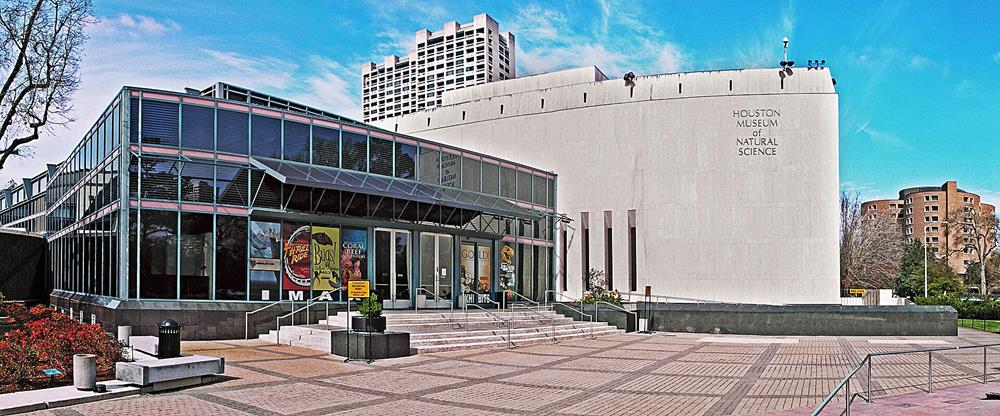
Houston offers a wide range of nature centers and science attractions, with the Houston Museum of Natural Science (HMNS) serving as one of the city’s premier destinations. Located in the Museum District, HMNS features extensive exhibits on dinosaurs, energy, gems, and space, along with immersive experiences like the Cockrell Butterfly Center and Burke Baker Planetarium.
General admission typically starts around $25 for adults and $16 for children, with additional fees for special exhibits and attractions. With multiple floors of exhibits and nearby parks and museums, HMNS is a full-day destination for visitors of all ages.
Top Exhibits at Houston Museum of Natural Science: Dinosaurs, Gems, and Butterflies
The Cullen Hall of Gems and Minerals showcases hundreds of mineral specimens from around the world, including large crystals, rare gemstones, and detailed geological displays. Highlights include massive amethyst geodes, gold specimens, and carved gemstone pieces.
The Cockrell Butterfly Center is one of the museum’s most popular attractions, featuring a three-story glass conservatory filled with hundreds of free-flying butterflies in a tropical rainforest environment.
The Morian Hall of Paleontology brings prehistoric life to scale with mounted dinosaur skeletons, fossil displays, and detailed reconstructions that illustrate the evolution of life on Earth.
These exhibits provide a mix of visual impact and scientific learning, making them must-see experiences within the museum.
Morian Hall of Paleontology: Dinosaurs and Ancient Life
The Morian Hall of Paleontology spans tens of thousands of square feet and features life-sized dinosaur skeletons, marine reptiles, and early mammals.
Visitors can see species such as Tyrannosaurus rex, Triceratops, and Stegosaurus, along with marine fossils like mosasaurs. The exhibit is designed with dynamic poses and immersive layouts, helping visitors understand prehistoric ecosystems and evolutionary history.
A multi-level viewing area allows guests to observe displays from different perspectives, enhancing the overall experience.
Wiess Energy Hall: Interactive Science and Energy Exploration
The Wiess Energy Hall focuses on how energy is produced, used, and evolving in modern society.
Interactive exhibits allow visitors to explore topics such as oil and gas extraction, renewable energy, and engineering technology. Experiences include simulations, digital displays, and large-scale models that explain complex systems in an accessible way.
The exhibit also highlights Texas’s role in the global energy industry, while introducing emerging technologies such as wind and solar power.
Cullen Hall of Gems and Minerals
The Cullen Hall of Gems and Minerals is one of the museum’s most visually striking exhibits, featuring hundreds of natural mineral specimens and polished gemstones.
Visitors can explore displays of crystals, rare minerals, and jewelry pieces, including items from notable collections. The Gem Vault showcases finely cut stones and decorative works, highlighting both natural beauty and craftsmanship.
Lighting and exhibit design enhance the brilliance of each specimen, creating a memorable experience for visitors.
Cockrell Butterfly Center: A Tropical Indoor Ecosystem
The Cockrell Butterfly Center recreates a tropical rainforest environment inside a glass conservatory.
Visitors walk through pathways surrounded by butterflies, lush plants, and a cascading waterfall, observing how these insects interact within their habitat. The center also includes educational displays about insect life cycles and ecosystems.
Timed tickets are typically required, and visits often take about an hour, depending on crowd levels.
Burke Baker Planetarium and Space Exploration Experiences
The Burke Baker Planetarium offers immersive shows using advanced projection technology to explore topics like black holes, the solar system, and space missions.
Programs typically run 20–40 minutes and are suitable for both children and adults. The planetarium complements the museum’s science exhibits by providing a visual journey through space and astronomy.
Special Exhibitions and Rotating Displays at HMNS
HMNS regularly hosts temporary exhibitions that change throughout the year, covering topics such as wildlife, ancient civilizations, and science innovations.
These exhibits often include interactive components, live demonstrations, or rare artifacts, offering visitors new experiences with each visit. Availability and themes vary, so checking the museum’s current schedule before visiting is recommended.
Hall of Ancient Egypt and Cultural Exhibits
The Hall of Ancient Egypt presents artifacts and displays related to ancient Egyptian civilization, including mummification practices, religious beliefs, and daily life.
Visitors can view coffins, statues, and preserved artifacts, along with recreations of tomb spaces that provide context for historical practices.
This exhibit adds a cultural dimension to the museum’s science-focused displays, creating a well-rounded educational experience.
Houston Museum of Natural Science Ticket Prices and Discounts
General admission to HMNS is typically:
- Adults: around $25
- Children (ages 3–11): around $16
- Seniors: discounted pricing available
- Children under 3: free
Additional experiences such as the planetarium and butterfly center usually require separate tickets.
Discount programs like CityPASS Houston can bundle admission with other attractions, offering savings for visitors planning to explore multiple sites.
HMNS also offers free admission to permanent exhibits on Thursday afternoons/evenings, though times may vary and crowds are often higher.
Best Times to Visit HMNS and Visitor Tips
Planning your visit can help you avoid crowds and make the most of your time.
- Weekday mornings are typically the least crowded
- Weekends and holidays tend to be busiest
- Arriving early allows better access to popular exhibits like the dinosaur hall
Families with young children may find early visits more comfortable, while evening hours can be useful for shorter visits.
Other Nature Centers and Science Attractions in Houston
Beyond HMNS, Houston offers several additional destinations for nature and science exploration.
- Houston Arboretum & Nature Center: A 155-acre preserve with walking trails and educational programs
- Armand Bayou Nature Center: One of the largest urban wilderness areas in the U.S., featuring wildlife and guided tours
- Buffalo Bayou Park: Offers outdoor recreation, trails, and nature-focused experiences
- Space Center Houston: NASA’s official visitor center with exhibits on space exploration
These locations complement HMNS by offering outdoor and interactive science experiences across the city.
Trail Highlights and Activities at Houston Nature Centers
Each of Houston’s nature centers offers unique trails and hands-on outdoor activities.
- Houston Arboretum & Nature Center: Features 5 miles of walking trails through forest, meadow, and wetland habitats. The Outer Loop Trail is popular for birdwatching, while the Discovery Room offers interactive exhibits for kids.
- Armand Bayou Nature Center: Offers guided tram tours, kayak trips, and hiking trails through coastal prairie and wetlands. Visitors can spot wildlife such as bison, alligators, and over 300 bird species.
- Buffalo Bayou Park: Includes multi-use trails, biking paths, and kayak rentals, along with scenic skyline views and public art installations.
- Hermann Park (near HMNS): Provides walking paths, pedal boat rentals at McGovern Lake, and access to the Houston Zoo and Japanese Garden
These locations allow visitors to combine nature exploration with physical activity and education.
Seasonal Tips for Visiting Houston Nature and Science Attractions
Timing your visit can significantly improve your experience at Houston’s outdoor and indoor attractions.
- Spring (March–May): Ideal for visiting nature centers and parks, with milder temperatures and blooming landscapes
- Fall (October–November): Another great time for outdoor exploration, with lower humidity and comfortable weather
- Summer (June–September): Best for indoor attractions like HMNS and the planetarium, as temperatures can be very hot
- Winter (December–February): Mild weather makes it possible to enjoy both indoor and outdoor activities with fewer crowds
The Cockrell Butterfly Center is enjoyable year-round due to its indoor environment, while outdoor spaces are most comfortable during spring and fall.