Animals You Might Encounter While Traveling Across Texas
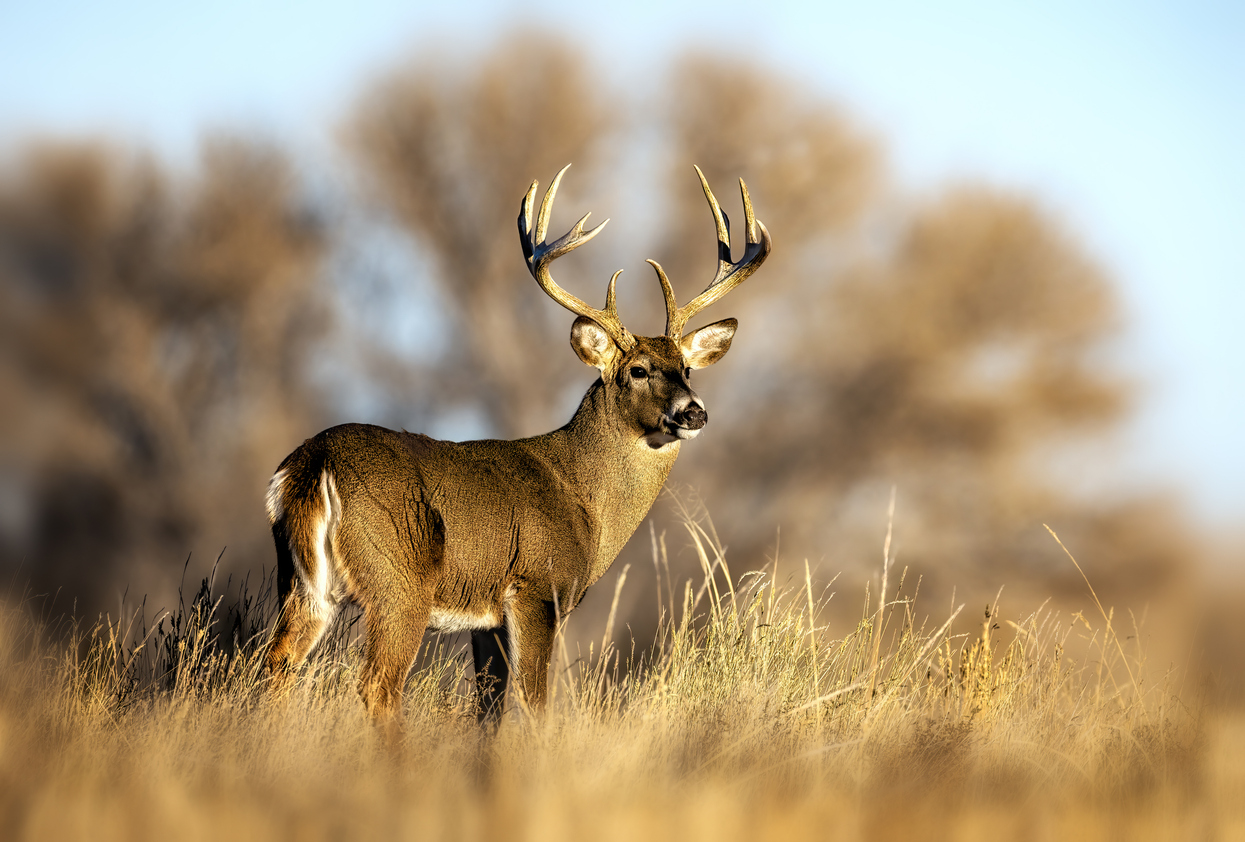
You'll encounter white-tailed deer across all regions of Texas, with an estimated population of over 4 million animals roaming the state from forests to deserts. In East Texas, you might spot evidence of returning black bear populations and a wide range of migratory birds. The Trans-Pecos region offers chances to see desert bighorn sheep, mule deer, elk, and even elusive predators like mountain lions. The Texas Panhandle hosts coyotes, bobcats, pronghorn antelope, armadillos, and diverse reptiles. You're also likely to encounter feral hogs, which have spread across nearly the entire state and are considered one of Texas’s most widespread invasive species. Explore each region's unique wildlife below.
Texas Wildlife by Region: Where to Spot Each Species
View this post on Instagram
Texas's diverse geography creates distinct ecological zones, each hosting wildlife species adapted to specific regional conditions. You'll find tropical birds like Altamira Orioles and Green Jays primarily in the Rio Grande Valley, where the subtropical climate supports species found nowhere else in the state. The coastal plains attract migrating whooping cranes (especially near Aransas National Wildlife Refuge) and large numbers of sandhill cranes. Eastern Piney Woods forests support species like red-cockaded woodpeckers and brown-headed nuthatches, both closely tied to mature pine ecosystems. Prairie regions historically supported species like the Attwater’s prairie-chicken, now critically endangered and limited to protected coastal prairie habitats. West Texas’s desert and mountain terrain supports mule deer, javelina, and bighorn sheep, while the Edwards Plateau hosts some of Texas’s densest white-tailed deer populations alongside Ashe juniper woodlands. Texas is commonly divided into several ecological regions (often 7–10 depending on classification), each offering unique wildlife environments for exploration.
Birdwatching Hotspots Across Texas
View this post on Instagram
Texas is one of the top birdwatching destinations in the United States, with more than 600 bird species recorded statewide. Its location along the Central Flyway makes it a critical migration corridor. Top birding locations include:
- Rio Grande Valley (World Birding Center sites) for tropical and rare species
- High Island and Bolivar Peninsula along the Gulf Coast for spring migration fallout
- Aransas National Wildlife Refuge for whooping cranes
- Big Bend National Park for desert and mountain bird species
- East Texas Piney Woods for forest-dwelling birds
Whether you're a beginner or experienced birder, Texas offers year-round opportunities to observe diverse and colorful species.
Rio Grande Valley Wildlife: Tropical Species You Won’t See Elsewhere in Texas
View this post on Instagram
The Rio Grande Valley stands apart as one of the most biologically unique regions in Texas, where a subtropical climate supports wildlife rarely found elsewhere in the state. This region is especially known for its exceptional bird diversity, drawing visitors from across the country. You can spot species like the Green Jay, Altamira Oriole, Great Kiskadee, and Plain Chachalaca, many of which are more commonly associated with Mexico and Central America. The Valley is also a prime location for viewing butterflies, with hundreds of species recorded throughout the year. Mammals in the region include the elusive ocelot, one of the most endangered wild cats in the United States, along with javelina, coyotes, and white-tailed deer. Top places to explore include Santa Ana National Wildlife Refuge, Bentsen-Rio Grande Valley State Park, and the World Birding Center network, all of which offer accessible trails and observation areas for wildlife viewing.
Eastern Texas Wildlife: Black Bears, Rare Birds, and Forest Species
View this post on Instagram
Eastern Texas’s dense forests once supported thriving black bear populations, but these mammals were largely extirpated by the early 1900s. Today, there are no established breeding populations, though transient bears occasionally move in from Louisiana and Arkansas. Areas along the Big Thicket and nearby river corridors provide suitable habitat for future recolonization. Conservation efforts focus on restoring large, connected forest habitats and maintaining food sources like mast-producing trees. While encounters remain rare, sightings have increased slightly in recent years. The region is also a critical stopover for neotropical migratory birds, making East Texas one of the best birdwatching areas in the state.
Trans-Pecos Desert Animals: Elk, Bighorn Sheep, and Mountain Wildlife
View this post on Instagram
The Trans-Pecos region features rugged mountains and desert basins that support some of Texas’s most iconic wildlife. Elk, originally introduced in the early 1900s, can still be found in parts of the region, particularly on private lands and near the Davis Mountains. Desert bighorn sheep, once extirpated, have been successfully reintroduced and are now managed through conservation programs in areas like Black Gap Wildlife Management Area. Mule deer are widespread, while Carmen (desert) white-tailed deer inhabit higher elevations in the Chisos Mountains of Big Bend. The region is also home to black bears, which have made a natural comeback from Mexico, along with mountain lions, bobcats, kit foxes, and ringtails. Unique species like the Mexican long-nosed bat depend on desert plants such as agave. Bird diversity is especially high, with species like the Colima warbler (found in the U.S. only in the Chisos Mountains) and Mexican jays highlighting the region’s biodiversity. Travelers looking to experience this region’s wildlife firsthand should visit Big Bend National Park, one of the most biodiverse desert parks in North America. Nearby, Davis Mountains State Park and Balmorhea State Park also provide opportunities to observe native species in unique high-desert and spring-fed ecosystems.
Panhandle Wildlife: What Lives in North Texas Grasslands
View this post on Instagram
Moving to the northern plains, the Texas Panhandle is characterized by open grasslands and canyon systems. You'll encounter pronghorn antelope, coyotes, bobcats, and white-tailed deer, along with mule deer in some areas. The nine-banded armadillo is present in parts of the region, though less common than in Central and East Texas. Black-tailed prairie dogs still exist in protected colonies and remain vital to grassland ecosystems. Birdlife includes scissor-tailed flycatchers, loggerhead shrikes, and western meadowlarks. During migration, species like dickcissels and blue grosbeaks pass through. Reptiles include prairie lizards, six-lined racerunners, and snakes such as prairie kingsnakes and bullsnakes. The western diamondback rattlesnake is common across much of the region.
White-Tailed Deer and Other Species Found Statewide
Among Texas’s most recognizable wildlife, white-tailed deer inhabit every region—from coastal brushlands to mountains and prairies. With an estimated population exceeding 4 million, they play a major role in Texas ecosystems and hunting traditions. Understanding their behavior helps explain their success:
- They thrive in brushy, wooded, and edge habitats
- They adapt well to rural and suburban environments
- Their populations are actively managed through wildlife conservation programs
Other widely distributed species include the gray fox, raccoon, and opossum, all of which have adapted well to diverse habitats across the state.
Feral Hogs: Why This Invasive Species Dominates Texas
View this post on Instagram
While white-tailed deer are iconic, feral hogs are one of Texas’s most destructive invasive species. They are now found in most Texas counties, with an estimated population of 2.5 to 3 million animals. These hogs cause extensive damage to agriculture, native habitats, and water systems through aggressive rooting and feeding behavior. They reproduce rapidly, often producing multiple litters per year, which makes population control extremely difficult. Wildlife experts estimate that a significant portion of the population must be removed annually just to slow growth. Beyond property damage, feral hogs also compete with native wildlife for food and can spread disease, making them a serious ecological concern across the state.
Texas Wildlife Safety: Handling Encounters with Large Mammals
Texas’s landscapes are home to a wide range of large mammals that require awareness and respect. From black bears in forested regions to mountain lions in West Texas, knowing how to respond can help keep you safe. When traveling through Texas:
- Make yourself appear larger and maintain eye contact if you encounter a mountain lion
- Secure food and back away slowly if you see a black bear
- Be cautious around white-tailed deer, especially during rutting season when bucks may become aggressive
Always keep a safe distance from wildlife, including animals like bison at Caprock Canyons State Park or elk on private lands. The best place to observe whooping cranes is Aransas National Wildlife Refuge, where these rare birds spend the winter months along the Texas coast. Texas is one of the most biodiverse states in the U.S. for mammals and birds, making it an exceptional destination for wildlife observation—best enjoyed responsibly and from afar.
Seasonal Wildlife Viewing in Texas: When to See the Most Activity
Timing your trip can greatly increase your chances of seeing wildlife across Texas. Each season brings different opportunities depending on migration patterns and animal behavior. Spring (March–May) is one of the best times for birdwatching, as millions of migratory birds pass through Texas along the Central Flyway. Wildflowers also attract pollinators like butterflies and bees. Summer (June–August) offers increased visibility of reptiles and nocturnal mammals, especially in desert regions. Early mornings and evenings are the best times to avoid heat and see active wildlife. Fall (September–November) marks another major migration period for birds, while also signaling the start of white-tailed deer rut season, when bucks are more active and visible. Winter (December–February) is prime time to see whooping cranes along the coast and large flocks of waterfowl across wetlands, lakes, and reservoirs.