Why Mega Projects Capture the Imagination of Pop Culture
Mega projects capture attention because they operate on a scale that feels almost unreal. Whether it’s a billion-dollar film, a global sporting event, or a massive infrastructure build, these projects don’t just exist—they dominate conversation. They stretch timelines, push budgets, and promise transformation, making them feel less like ordinary efforts and more like cultural moments in the making.
What makes them especially compelling in pop culture is how they mirror storytelling itself. There’s a beginning filled with ambition, a middle defined by conflict and uncertainty, and an ending that either delivers spectacle or disappointment. Long before completion, audiences are already invested. By the time these projects launch, they’ve become more than functional—they’ve become shared experiences shaped by hype, media coverage, and collective expectation.
What Makes a Mega Project Feel Unmissable?
A mega project becomes unmissable when its impact extends beyond its original purpose. It is not just about what the project does, but what it represents. These projects often promise to reshape cities, industries, or even national identity, which immediately raises the stakes for everyone watching.
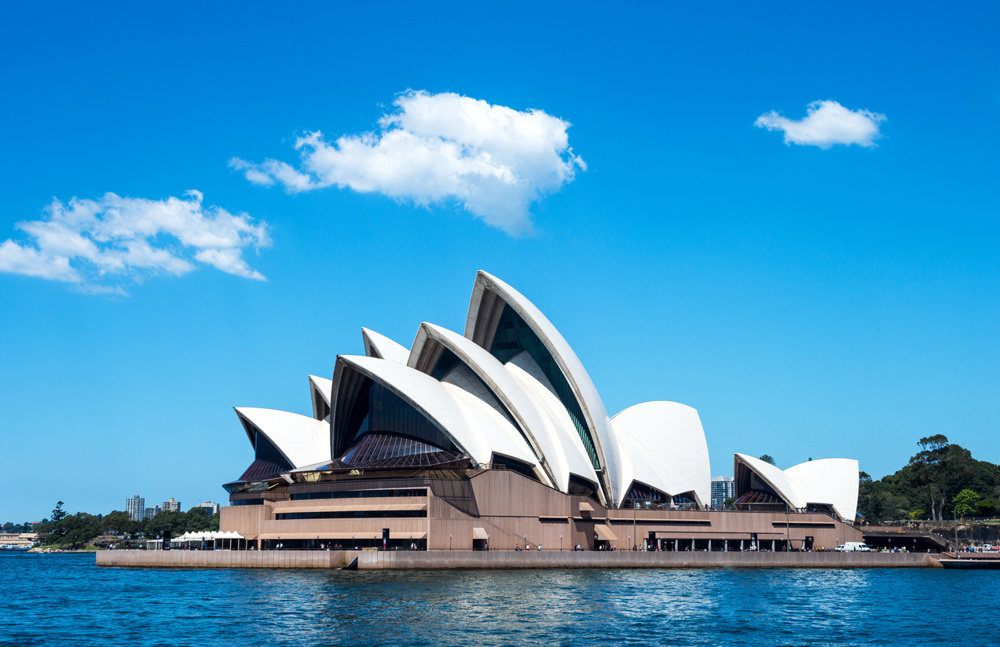
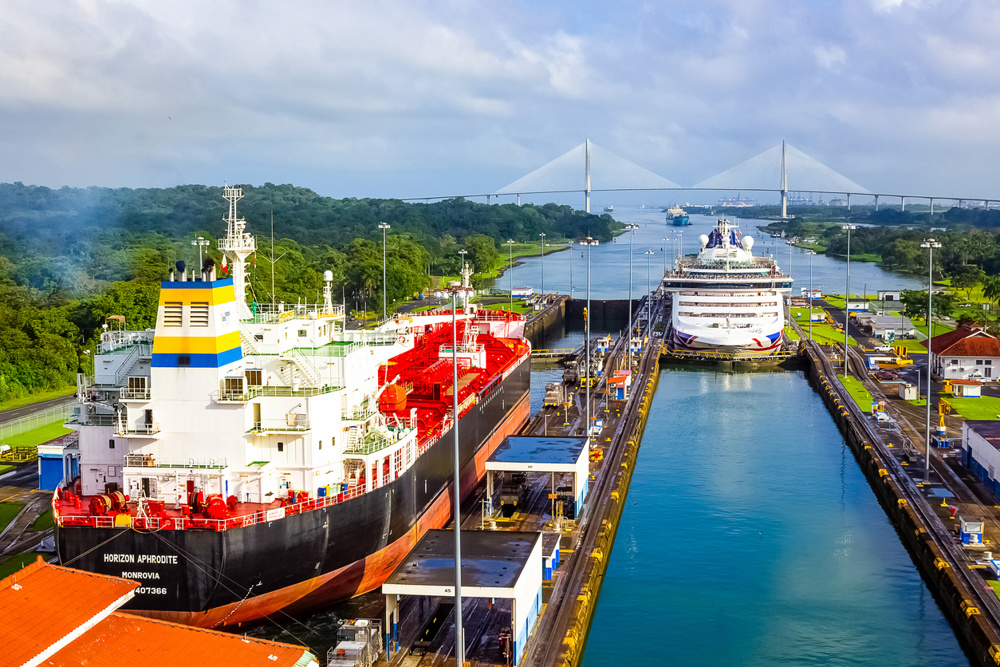
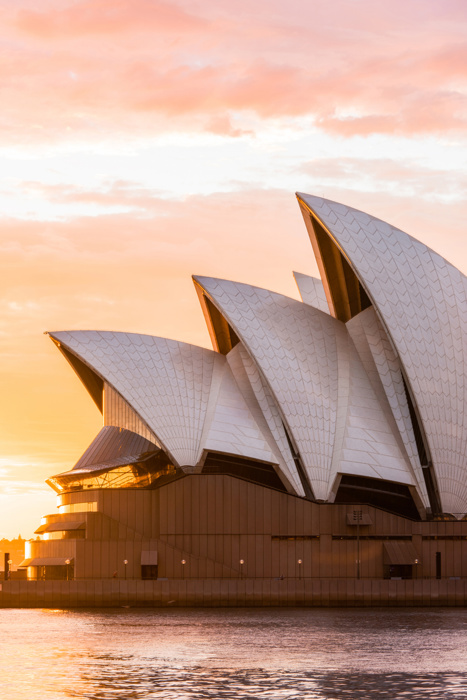
This sense of importance creates emotional investment. People follow updates, speculate on outcomes, and form opinions long before completion. Success feels like a collective win, while failure becomes a widely discussed cautionary tale. Projects like the Panama Canal or the Sydney Opera House remain culturally significant not only because of their function but because of the stories surrounding their creation.
In pop culture terms, mega projects function like blockbusters—they are designed to be seen, discussed, and remembered. Their scale, cost, and ambition make them impossible to ignore, turning them into ongoing narratives rather than one-time events.
How Anticipation Rewires Audience Expectations Over Years
Anticipation is one of the most powerful forces behind mega projects. Unlike smaller efforts, these projects unfold over years, sometimes decades. During that time, expectations evolve. Early announcements create curiosity, but as updates, leaks, and promotional material emerge, curiosity turns into emotional investment.
This process mirrors how audiences engage with major film franchises or long-awaited releases. Teasers, behind-the-scenes footage, and speculation build a sense of familiarity before the final product even exists. By the time a project is completed, audiences are no longer neutral—they have already formed strong expectations about what it should deliver.
The longer the timeline, the higher the stakes. Each delay or update reshapes perception, making the final outcome feel like the resolution of a long-running story. This is why anticipation doesn’t just build excitement—it actively changes how people judge the finished result.
Check out MrPopCulture.com and learn more about pop culture trends in mega projects!
Why the Chaos Behind the Camera Becomes the Real Story
While the final product often receives the most attention, the process behind it can become even more compelling. Audiences are drawn to stories of conflict, and mega projects provide plenty of it—budget overruns, creative disagreements, unexpected setbacks, and leadership struggles.
In the film industry, these stories are especially visible. Productions like Apocalypse Now became legendary not just for their final output but for the difficulties faced during filming. These behind-the-scenes narratives add another layer of intrigue, turning the creation process into its own form of entertainment.
This fascination reflects a broader cultural pattern. People are not just interested in success—they are interested in how success is achieved. The chaos humanizes large-scale projects, making them feel less like distant achievements and more like complex, unpredictable journeys.
Why Delays and Leaks Fuel Pop Culture Obsession?
Delays don't just frustrate — they captivate. When a megaproject slips its deadline, you're not watching one team fail. You're watching systemic failure unfold in real time. Cost overruns like California High-Speed Rail's jump from $40 billion to $135 billion don't stay in boardrooms. They explode into a media frenzy that reshapes public perception instantly.
Leaks make it worse. Contamination stories, budget disclosures, and coordination breakdowns feed disaster narratives that stick. The Hostile Media Effect guarantees coverage highlights every mistake while burying every success. You see the cracks, not the engineering. That imbalance shifts workforce morale, fragments communication, and deepens the very problems fueling the headlines.
Together, these elements keep the project visible. Even negative attention can increase interest, as controversy and unpredictability make the story more compelling. In this way, delays and leaks do not just disrupt progress—they extend the life of the narrative. Pop culture doesn't invent drama — it simply amplifies what fragmented systems and unrealistic timelines already produced.
How Spectacle Turns Mega Projects Into Cultural Events
Spectacle is what transforms a project from important to unforgettable. When scale is combined with visual impact, media coverage, and public participation, the result becomes something people don’t just observe—they experience collectively. It creates a sense that something significant is happening in real time, drawing attention far beyond the project’s original purpose.
Global events like the Olympics or the World Cup demonstrate this clearly. These projects are carefully designed to maximize visibility, combining architecture, performance, storytelling, and broadcast media into one unified presentation. Opening ceremonies, iconic venues, and global broadcasts turn functional developments into shared cultural moments that reach billions of viewers simultaneously.
This emphasis on spectacle ensures lasting impact. People don’t just remember the event—they remember specific visuals, emotions, and moments tied to it. Over time, these projects become part of cultural memory, referenced and revisited long after their original purpose has been fulfilled.
Why Audience Interest Collapses So Fast After Opening Weekend?
Despite years of buildup, interest in mega projects often declines rapidly after launch. Once something becomes widely available, the anticipation that fueled excitement disappears. What was once unknown and full of possibility becomes something familiar and fully visible.
This pattern is especially clear in entertainment. Opening weekends concentrate attention, driven by marketing, hype, and social conversation. However, in a fast-moving media environment, audiences quickly shift focus to the next release or trending topic. Attention is limited, and novelty constantly replaces what came before.
The transition from anticipation to consumption changes how people engage. Before release, audiences imagine possibilities and project expectations. After release, they shift into evaluation mode—deciding whether the project met those expectations. This shift explains why even highly successful projects can struggle to maintain long-term attention in public conversation.
Why Record-Breaking Films Always Spawn a Universe: and Why It Works?
When a film shatters records on opening weekend, studios don't cash the check and walk away — they build. You're witnessing a calculated strategy, not creative ambition. Record-breaking films prove audience appetite, and studios immediately leverage that signal into expanded narratives — spinoffs, prequels, sequels, and streaming extensions that keep audiences locked in long after the credits roll.
The economics make it obvious. A single film generates ticket sales. A universe generates merchandise ecosystems — toys, clothing, video games, theme park experiences, and licensing deals that multiply revenue across years. You're not just buying a movie ticket; you're entering a consumption cycle studio designed deliberately.
It works because familiarity breeds investment. Once you care about characters, you'll follow them anywhere studios decide to take them. Much like how the observable Universe spans roughly 46 billion light-years, a fully realized cinematic universe stretches far beyond its original boundaries, expanding in every direction from a single point of origin.
How Media Coverage Shapes the Narrative Around Mega Projects
Media coverage plays a central role in shaping how mega projects are understood. Rather than presenting a complete picture, coverage often focuses on specific aspects—such as milestones, delays, or budget changes—while leaving other details less visible. This selective framing influences how audiences interpret the project as it develops.
Positive coverage can build anticipation and reinforce confidence, presenting the project as innovative or transformative. Negative coverage, on the other hand, can create doubt by highlighting challenges or controversies. In many cases, these narratives form early and continue to shape public perception throughout the project’s lifecycle.
As a result, mega projects become ongoing stories rather than static developments. Audiences follow updates, react to new information, and form opinions based on evolving media narratives. The way a project is covered can ultimately influence how it is remembered, sometimes as much as the outcome itself.
Why Mega Projects Feel Like Modern-Day Myths
Mega projects often take on qualities similar to modern myths. They begin with bold visions, encounter obstacles, and move toward outcomes that are either celebrated as achievements or remembered as lessons. This structure mirrors classic storytelling patterns that people instinctively recognize.
These projects also reflect collective values. They represent ideas about progress, ambition, and innovation, showing what societies aim to achieve. At the same time, their failures highlight the risks of overreach and the limits of planning and control.
This myth-like quality explains their lasting appeal. Even when people are not directly affected, they remain interested because these projects symbolize larger ideas about human capability. They become more than practical developments—they become stories about what is possible and what can go wrong.
How Social Media Extends the Life of Mega Projects
Social media has significantly extended the lifespan of mega projects. Instead of relying solely on traditional news cycles, projects now exist within continuous online conversations where updates, reactions, and interpretations are shared instantly.
User-generated content plays a key role in this process. Visitors, participants, and observers create their own posts, videos, and commentary, adding new perspectives that keep the project visible. Each piece of content contributes to an ongoing narrative that evolves beyond the original timeline.
Because of this, mega projects no longer have a clear endpoint. Even after completion, they remain part of digital culture through discussions, shared experiences, and retrospective analysis. Their influence continues as long as people engage with them, turning them into lasting cultural references rather than temporary events.
Conclusion
Mega projects capture the imagination because they combine scale, storytelling, and spectacle into a single experience. They are not just about construction, production, or execution—they are about anticipation, conflict, and resolution. From early announcements to final outcomes, they unfold like narratives that audiences follow over time.
Understanding why these projects resonate reveals something deeper about how people engage with the world. At their core, mega projects are not just about what is built—they are about how stories are told, shared, and remembered.