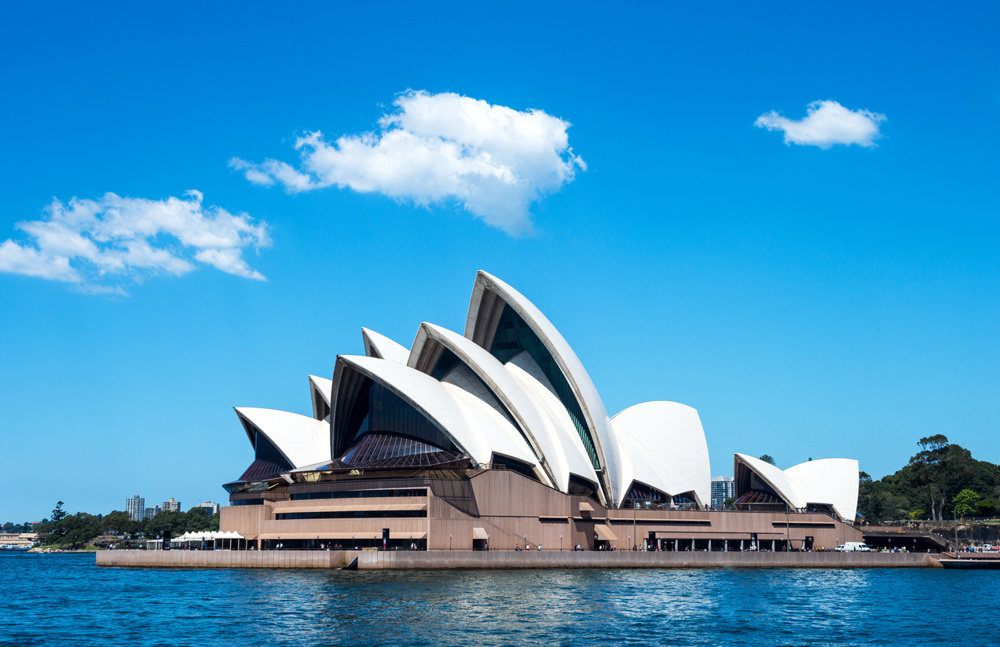
Interesting Facts About Mega Projects Around the World
Mega projects are some of the most ambitious undertakings in human history. They reshape landscapes, redirect economies, and influence how entire regions function for decades. From massive dams to underwater tunnels and futuristic cities, these projects operate at a scale that goes far beyond construction—they reflect how societies think about progress, power, and possibility.
What makes mega projects especially compelling is not just their size, but their impact. They affect millions of people, generate global attention, and often become symbols of national ambition. At the same time, they come with risks—budget overruns, environmental consequences, and social disruption. Understanding these projects means looking beyond the numbers and examining what they represent.
What Exactly Qualifies as a Mega Project?
A mega project is not simply a large construction effort. It is defined by a combination of scale, complexity, cost, and long-term impact. Most mega projects involve investments of hundreds of millions or even billions of dollars, along with timelines that can stretch over a decade. They require coordination across governments, private investors, engineers, and entire workforces.
Beyond financial thresholds, complexity is what truly sets these projects apart. They often involve multiple layers of planning, regulatory oversight, and technical execution. Large teams manage dozens of contracts simultaneously, each contributing to different parts of the project. This level of coordination introduces risks that smaller projects rarely face.
Mega projects also tend to reshape the environments in which they exist. They can transform transportation systems, energy production, or urban development. Because of this, they attract intense public attention. Success can redefine a region’s future, while failure can result in lasting economic and political consequences.
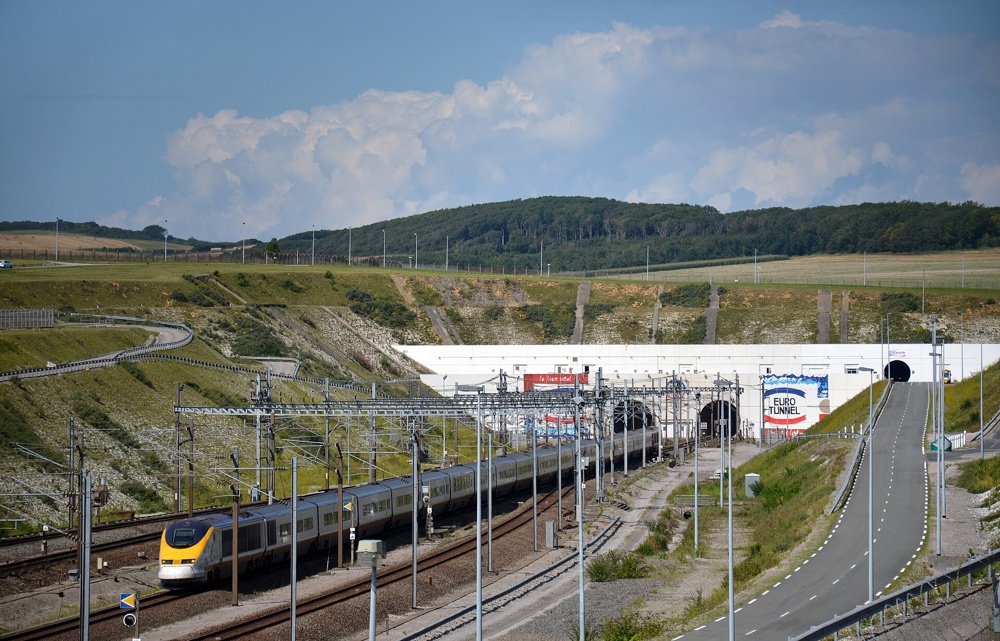
The Channel Tunnel: 31 Miles Drilled Under the Sea
The Channel Tunnel is one of the clearest examples of how infrastructure can redefine geography. Stretching over 31 miles beneath the English Channel, it connects the United Kingdom and France through a network of rail tunnels. What once required ferries or flights can now be completed in under an hour.
The engineering behind the tunnel was groundbreaking. Teams worked from both sides of the channel, using precision-guided machines to meet deep beneath the seabed. The result was not just a transportation link, but a new way of thinking about cross-border connectivity.
Its impact extends far beyond travel convenience. The tunnel has strengthened trade, tourism, and economic ties between two major European economies. It demonstrates how a single project can reduce physical barriers and create long-term integration between regions.
Stir up your curiosity with more surprising facts about Mega Projects around the world!
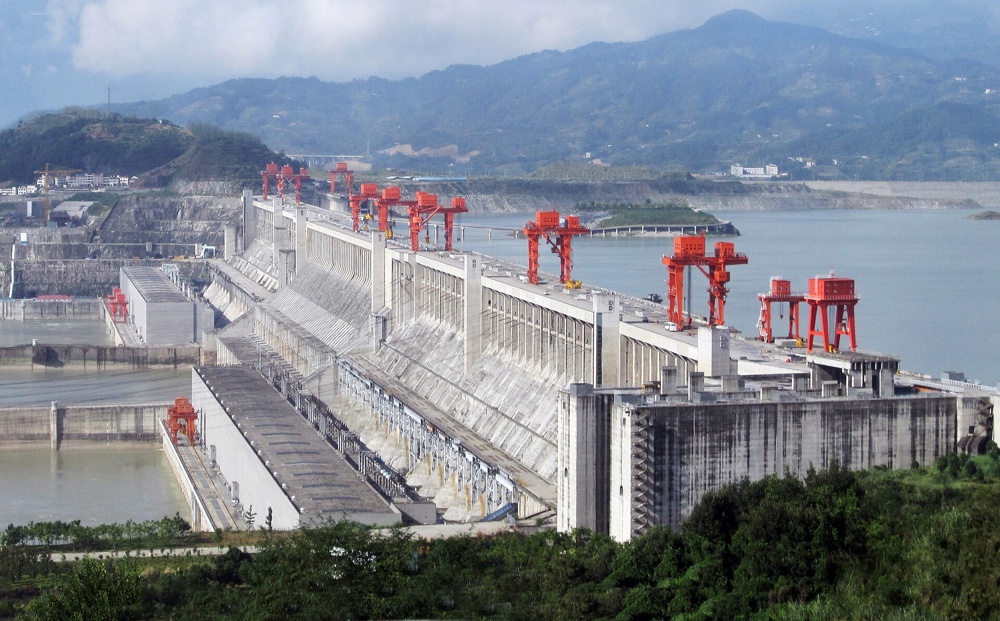
Three Gorges Dam: The World's Largest Power Source
The Three Gorges Dam represents scale in its most extreme form. Built across the Yangtze River, it generates more electricity than any other power station in the world. Its capacity has significantly reduced reliance on fossil fuels while supporting China’s growing energy demands.
However, the dam also highlights the trade-offs that often accompany mega projects. Its construction required the relocation of over a million people, fundamentally altering communities and ecosystems. Environmental concerns, such as sediment buildup and biodiversity loss, continue to require ongoing management.
This duality—massive benefit paired with significant consequence—is central to understanding mega projects. They are rarely purely positive or negative. Instead, they reflect complex decisions about priorities, resources, and long-term goals.
Panama Canal Expansion: Reshaping Global Mega Shipping
While the Three Gorges Dam reshaped how China generates power on a continental scale, the Panama Canal Expansion—also called the Third Set of Locks Project—redefined how the world moves goods across oceans.
Starting in September 2007, this $5 billion project built two new three-step lock sets, widened channels, and improved water management by raising Gatun Lake's maximum level. You can see its impact clearly: New Panamax ships now carry up to 13,000 TEUs, over twice the previous capacity.
The expansion opened up faster, cost-effective trade routes connecting 12,000 ships yearly to 1,700 ports across 150 countries. When the Chinese container ship Cosco Shipping Panama made its first transit on 26 June 2016, it marked a turning point in global maritime commerce. The project was approved by a national referendum with an overwhelming 76.8% of the vote on 22 October 2006.
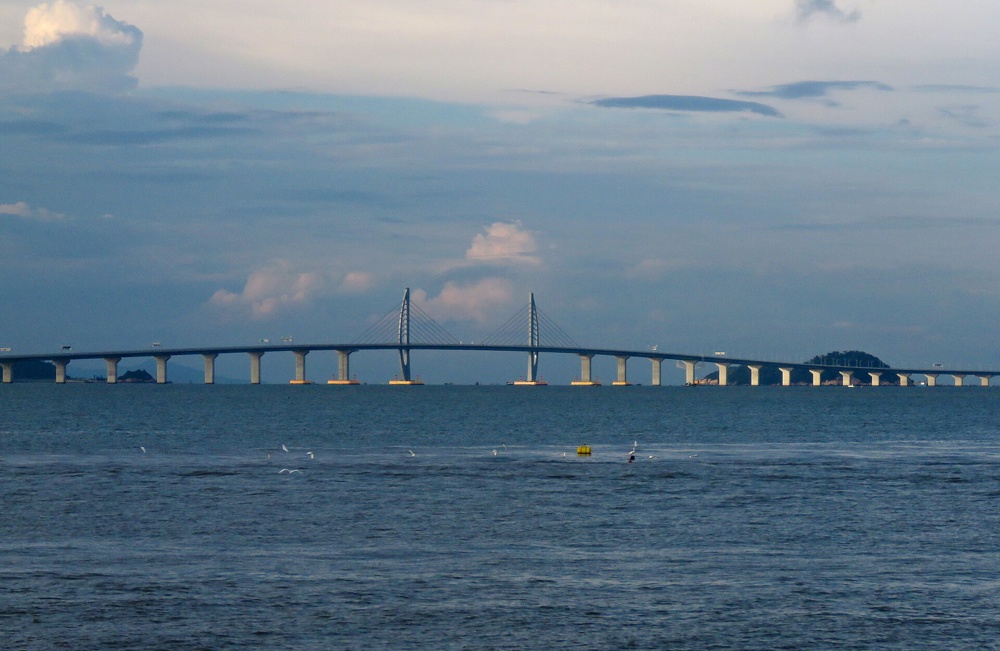
Hong Kong-Zhuhai-Macau Bridge: Built Over Open Water
Spanning 55 kilometers, the Hong Kong-Zhuhai-Macau Bridge connects three major cities through a combination of bridges, tunnels, and artificial islands. It represents a new level of engineering complexity, designed to withstand extreme weather, heavy maritime traffic, and long-term structural stress in open water conditions.
The integration of multiple construction methods into a single system highlights how modern infrastructure must adapt to both environmental and logistical challenges. The bridge significantly reduces travel time across the region, strengthening economic connections and regional integration. What once required multiple transport modes and several hours can now be completed in under an hour.
Beyond its function, the project serves as a symbol of technological capability. Its scale and execution reflect a broader ambition to demonstrate engineering leadership on a global stage. At the same time, it illustrates how infrastructure can shape perception—transforming a practical transport link into a representation of progress, connectivity, and national development.
NEOM and The Line: Saudi Arabia's City of the Future
Ambition takes physical form in The Line, a 170-kilometer mirrored megastructure rising 500 meters above Saudi Arabia's Tabuk Province. Crown Prince Mohammed bin Salman launched this flagship NEOM project in 2017 under Vision 2030, envisioning a car-free, zero-emission city housing nine million residents within a 200-meter-wide corridor.
You'll find high-speed rail connecting both ends in 20 minutes, while AI and IoT systems manage urban governance across every smart home and public space. Alternative energy powers everything, and protected natural areas surround the entire structure.
However, critics raise serious concerns about cultural displacement of indigenous communities, unrealistic timelines, human rights violations, and cost overruns. Plans have already scaled back considerably, and the 2029 Asian Winter Games hosting was canceled. Construction continues despite mounting skepticism. NEOM territory stretches along the Red Sea coast and covers an area comparable in size to Belgium.
Doha Metro: The World's Fastest Driverless Rail System
The Doha Metro demonstrates how mega projects can enhance everyday life through practical improvements rather than sheer scale. This fully automated rail system provides fast, reliable transportation across the city, reducing congestion and improving mobility for residents and visitors alike. Its efficiency reflects a growing emphasis on smart infrastructure in rapidly developing urban environments.
Its design combines modern engineering with cultural identity. Stations incorporate architectural elements that reflect local heritage, ensuring that the system feels integrated into its surroundings rather than purely functional. This balance between innovation and tradition gives the project a distinct character.
During major global events like the FIFA World Cup, the metro proved essential in managing large-scale movement efficiently. Unlike projects that primarily influence global systems, the Doha Metro highlights how infrastructure can directly improve daily experiences. It shows that mega projects are not only about scale—they are also about usability and long-term urban functionality.
How Much Each of These Mega Projects Actually Cost
The financial scale of mega projects is one of their most defining—and often controversial—features. Costs frequently reach tens or hundreds of billions of dollars, making them long-term economic commitments that extend far beyond initial construction phases. These investments shape national budgets and influence economic priorities for years or even decades.
Budget overruns are a recurring challenge. Projects often exceed initial estimates due to technical difficulties, regulatory changes, inflation, or unforeseen complications. These increases can shift public perception, turning projects that were once seen as visionary into sources of debate or criticism.
Understanding cost is not just about numbers—it is about decision-making. Where funding is allocated reflects broader priorities, such as infrastructure development, economic growth, or global competitiveness. In this way, the financial dimension of mega projects reveals as much about a country’s strategy as the project itself.
The Stats That Make These Mega Projects Unprecedented
The numbers behind today's megaprojects don't just impress—they redefine what large-scale construction even means. Over the past year, average monthly megaproject spending exceeded $18 billion, with megaprojects now representing over 25% of nonresidential construction spending. That's a massive economic impact reshaping entire industries and labor dynamics across regions.
You're also watching project scales shift dramatically. Projects exceeding $100 billion are now common, whereas $10 billion once defined ambition. The first $1 trillion megaproject is expected before this decade ends. Manufacturing leads sector dominance, accounting for 57% of starts between 2020 and 2025.
Meanwhile, megaproject values grow at 10% annually, more than doubling the 4% growth rate seen in smaller projects—making today's construction landscape genuinely unprecedented by any historical measure. In the 12 months ending January 2026, $217.7 billion in megaprojects broke ground, more than doubling the $99.2 billion recorded the previous year.
The Mega Projects Already Under Construction Right Now
Current mega projects show that this expansion is not slowing down. Around the world, large-scale developments in energy, transportation, and technology are actively reshaping industries and economic systems. Semiconductor plants, high-speed rail networks, and renewable energy facilities are among the most prominent examples.
These projects are not theoretical concepts—they are actively being built, funded, and tested. Their progress offers insight into how future infrastructure will function and what priorities will shape global development in the coming decades.
Watching these projects unfold also highlights the evolving nature of mega projects themselves. They are becoming more interconnected, often combining multiple functions such as energy production, transportation, and digital infrastructure within a single development.
How Media Coverage Shapes the Narrative Around Mega Projects
The media plays a significant role in shaping how mega projects are understood by the public. Coverage often emphasizes milestones, delays, or budget increases, influencing perception long before a project is completed. The way a project is framed can determine whether it is seen as visionary or problematic.
Positive coverage builds anticipation and reinforces confidence, while negative narratives can create skepticism and political pressure. Because of this, media attention becomes part of the project itself, affecting decisions, timelines, and public support.
This dynamic turns mega projects into ongoing stories rather than static developments. They evolve not only through construction but also through the narratives that surround them, making perception a key factor in their overall impact.
Conclusion
Mega projects are more than engineering achievements. They represent ambition, shape economies, and influence how societies think about progress. Their scale makes them impossible to ignore, but their significance comes from what they reveal about priorities, capabilities, and long-term vision.
At the same time, they highlight the challenges of large-scale development. Balancing innovation with sustainability, and ambition with practicality, remains a constant tension. Every project carries both opportunity and risk, making outcomes difficult to predict.
Related posts